VOICES ESL LESSON PLAN DESCRIPTION
OBJECTIVE & OVERVIEW
This voices ESL lesson plan contains PDF worksheets, activities, and digital materials for advanced C1 students. By the end of the lesson, students will be able to analyze and describe their own voices, as well as gain an understanding of why people often dislike the sound of their own voice.
PREVIEW & DISCUSSION
This ESL lesson plan on voices starts with students discussing their preferred methods of communication with friends, family, and colleagues, which includes an element on leaving voice mails and voice messaging. Next, students move on to discuss some questions about their own voices. In the final part of the preview page, students do an activity using some voice-related vocabulary words, such as “vocal chords”, “vibrations”, “acoustics”, and “sounds waves” in order to prepare for the video content.
VIDEO & LISTENING COMPREHENSION
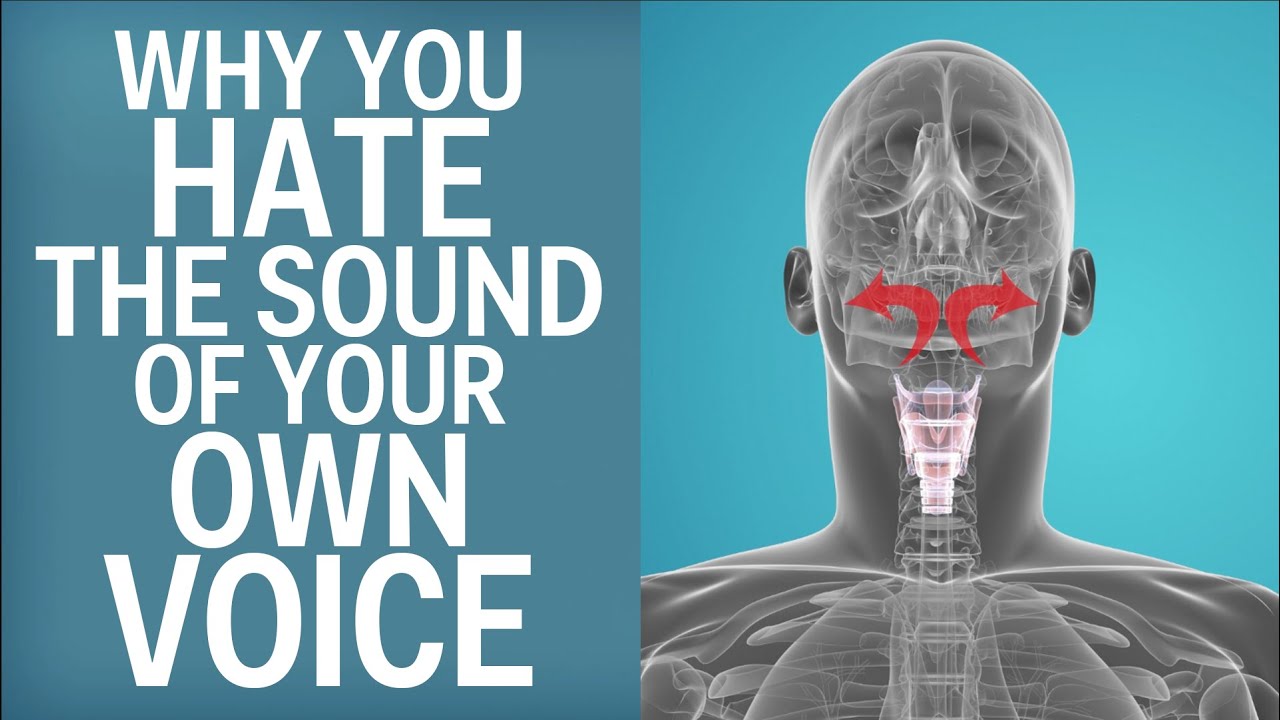
The video featured in this lesson is a concise informative report about why we tend to hate the sound of our voices. In the video, students watch several people record a line in an audio, and then listen to themselves saying this line. It includes their reactions to their own voices. In the viewing and listening activities, students answer some short questions and do a listening-for-detail activity that focuses on the two avenues that affect how we hear our voices — air conduction and bone conduction.
DISCUSSION & VOICE PHRASES
After students watch the video, they’ll discuss a few questions about the video and topic. Next, students analyze quotes from some of the speakers when they react to hearing their own voices. Students discuss some questions about these quotes — specifically about some phrases and adjectives the speakers use to describe their voices.
RECORDING VOICE MESSAGES
In the final part of this lesson on voices, students get a few options to choose from in which they can actually record and listen to their voices. They then get to discuss some questions about their voices.
BENEFITS OF USING THIS VOICES ESL LESSON PLAN:
Self-Reflection: The self-recording communicative activity described at the end encourages self-reflection and self-assessment, promoting critical thinking and self-awareness.
Communication Skills: This lesson plan helps students develop their listening, speaking, and descriptive skills, as they discuss their own voices and those of others.
Relevance: Understanding how phrases like “sound like + [noun / clause]” and “sound + [adjective]” work in context of discussing voices is practical for everyday communication.
VIDEO DESCRIPTION
Should you have ever had the experience of listening to your voice on a voicemail or video, you’ve probably found yourself pondering, “Does my voice genuinely sound like that?” Unfortunately, the answer is yes, that is indeed how your voice truly sounds. Explore the explanations behind the contrast between your self-perception and the recorded sound.
LESSON ACTIVITIES
- SPEAKING: Voices
- VIEWING: Short Answers, Listening For Detail (Air / Bone Conduction), Prediction Check
- VOCABULARY: Sounds, Phrases / Adjectives Describing Voices
- ADDITIONAL: Recording Voice Messages, Quiz & Review, Lesson Reflection
LESSON TOPICS
Voice, Sound