ESL LESSON LONELINESS DESCRIPTION
OVERVIEW & OBJECTIVES
This ESL lesson on loneliness offers engaging activities, PDF worksheets, and digital resources tailored for A2-B1 students. In this lesson, students will:
Discuss reasons for feeling lonely and explore ways to overcome loneliness.
Learn and practice vocabulary related to social skills, emotions, and well-being.
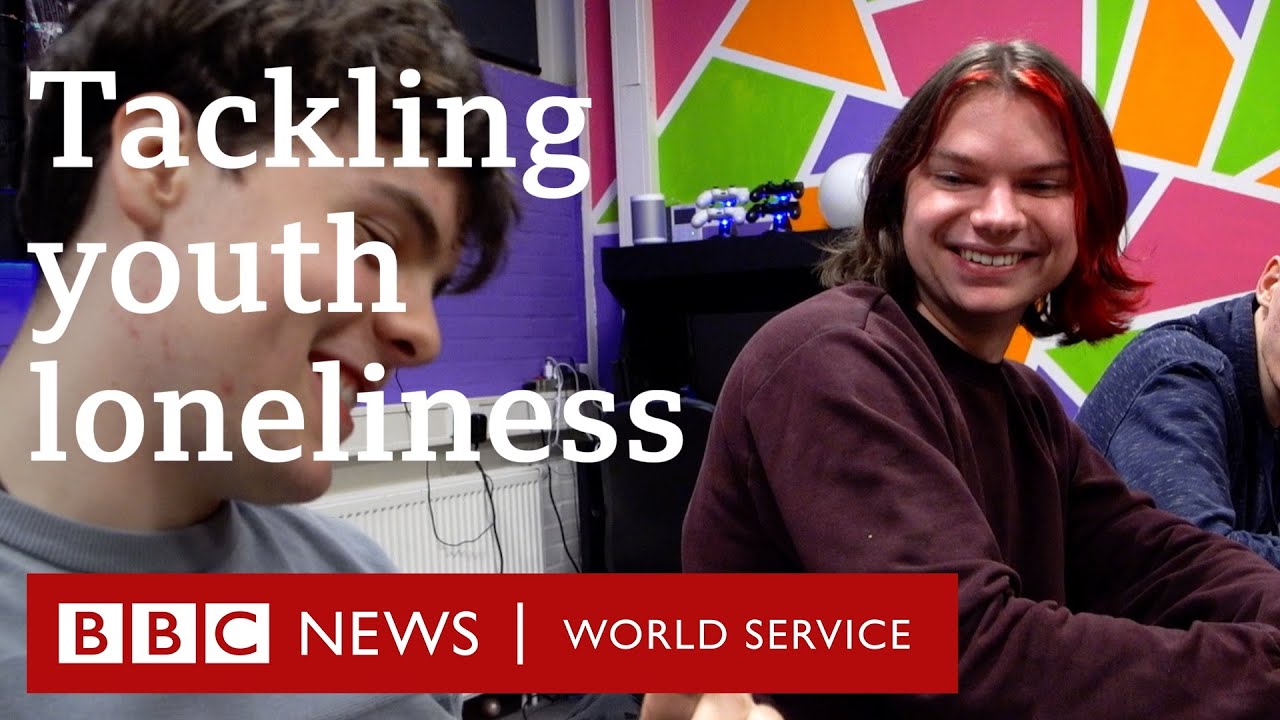
Watch a video about a Dutch program that helps young people build confidence and make friends.
Learn how to use
some,
any, and
noin context after positive/negative verbs.
Create and present ideas for a social club, practicing vocabulary and grammar in context.
PREVIEW & DISCUSSION
Students begin this ESL lesson on loneliness by discussing the concept of loneliness and why people, particularly teenagers, may feel lonely. They explore different reasons and share ideas about how teenagers could feel less lonely. They can use a list of suggested verbs to help guide their answers. Then, students match common nouns like “skills,” “fun,” and “confidence” with their definitions. This helps prepare students for essential vocabulary they’ll hear in the video. To wrap up, they imagine what a social club called ‘Join Us’ might offer, completing prompts that help them think about the club’s purpose and benefits.
VIEWING ACTIVITY
Students watch a video introducing “Join Us,” a Dutch program that helps young people overcome loneliness by providing a safe, supportive environment where they can make friends and develop social skills. The video shows how the program feels like a youth club but focuses on helping participants gain confidence and manage social anxiety. After watching, students match sentences about the program with their correct endings to help reinforce their understanding of key points. In the next task, they identify and correct factual errors from the video. This activity trains their listening for detail skills.
DISCUSSION & GRAMMAR
In the viewing follow-up phase of this loneliness ESL lesson, students discuss their thoughts on the “Join Us” program. They reflect on whether they think it could help only teenagers or if it could be effective for adults as well. They explore broader questions about loneliness and compare the experiences of teens and adults. Additionally, they consider how programs like “Join Us” differ from therapy. Students then read an advertisement for “Join Us” and practice choosing the correct options to complete rules about the program. This is followed by exercises on using “some,” “any,” and “no” in the context of sentences focusing on different kinds of clubs and classes.
LET’S GET SOCIAL! DESIGN A FUN SOCIAL CLUB
In the final part of the lesson, students work with a partner or teacher to create their own social club, group, or class, choosing from various options like a cooking club, sports team, or gaming group. They answer guiding questions to describe their club, focusing on its purpose, activities, and benefits. Next, they promote their club by writing a social media post or giving a short presentation, ensuring they use “some,” “any,” and “no” correctly in context. Alternatively, students can discuss their personal experiences with social groups, the importance of making friends, and what they do to help others feel more comfortable in new situations.
BENEFITS OF USING THIS ESL LESSON ON LONELINESS
This loneliness ESL lesson provides teachers with a comprehensive approach to discussing an important social issue, integrating vocabulary, listening, and speaking activities. It encourages students to develop empathy and social awareness while practicing English. Teachers benefit from structured exercises that promote engagement. This makes the topic relatable and relevant for A2-B1 students. The video serves as a supportive visual tool to help students understand and connect with the material. Lastly, the lesson culminates in creative, student-centered activities that allow for personal expression and practical language use.
VIDEO DESCRIPTION
Welcome to this Dutch program called “Join Us,” designed to help young people overcome loneliness by building social skills and confidence. It offers a safe, supportive environment where participants engage in fun activities, making it feel like a youth club with an added focus on personal growth.
LESSON ACTIVITIES
- SPEAKING: Loneliness, Youth, Clubs, Socializing, Community, Well-being
- VIEWING: Matching Exercise, Corrections
- VOCABULARY: Verbs, Nouns
- GRAMMAR: Some, Any, No (after positive/negative verbs)
- ADDITIONAL: Designing Social Club, Talking Points, Quiz & Review, Lesson Reflection
LESSON TOPICS
Loneliness, Youth, Clubs, Socializing, Community, Well-being