MOON LANDING ESL LESSON PLAN DESCRIPTION
OBJECTIVE & OVERVIEW
This ESL lesson plan on the moon landing and international space race contains PDF worksheets, activities, and digital materials for advanced C1 students. By the end of the lesson, students will understand some of the international politics behind the space race. They will also be able to use advanced vocabulary terms related to moon missions and space exploration in a variety of debate topics.
PREVIEW & DISCUSSION
This moon landing ESL lesson plan begins by students discussing the scientific, commercial, and geopolitical significance of moon missions and space exploration. Students take a short quiz about the history of moon landings and moon missions. Then, students discuss what they know or think about some current affairs topics associated with recent moon landings and missions.
VIDEO & LISTENING COMPREHENSION
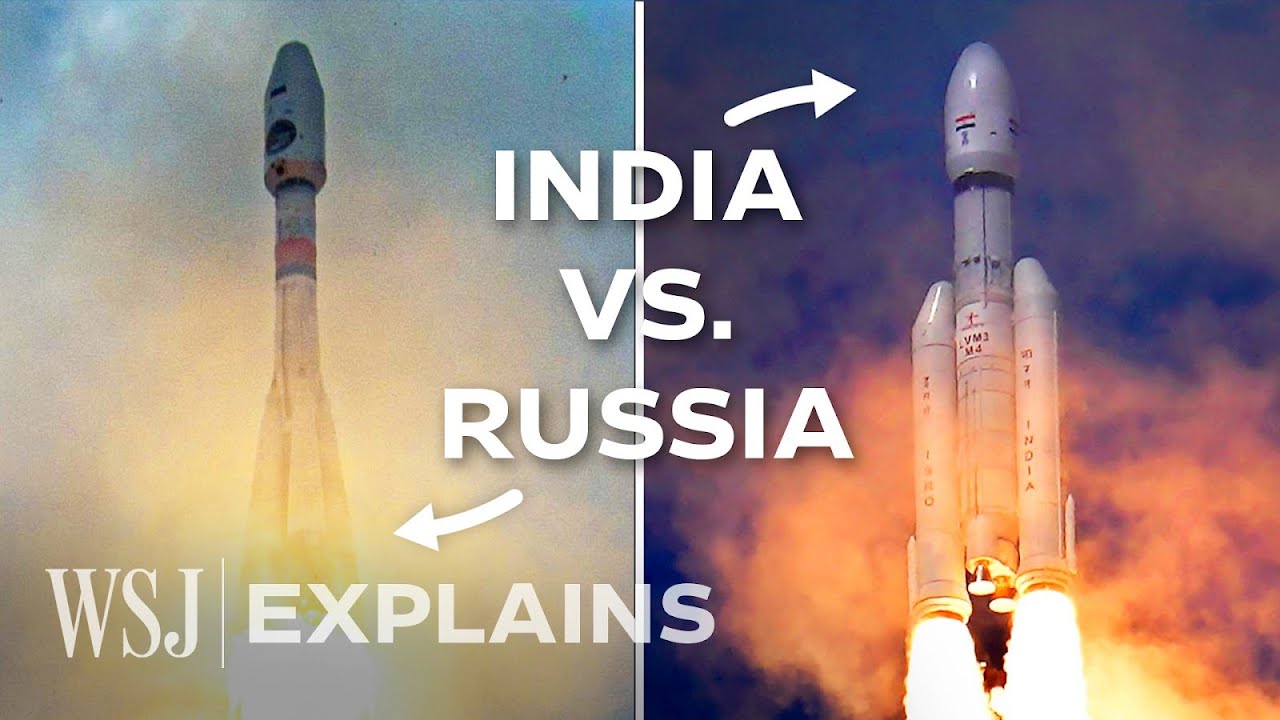
Students engage in one more brief, preview discussion question about landing on the Moon’s South Pole, and then proceed to watch an informative report about the space race between Russia and India, and other countries involved. In the video, there are a variety of perspectives shared about the race to the moon and the international politics at play in space exploration. In the viewing and listening activities, students answer some questions about landing on the Moon, and the countries involved.
DISCUSSION & WORD CHOICE
After watching the video, there are some discussion questions for students to discuss and share their thoughts on the politics of India’s lunar landings. The second part of the viewing follow-up page contains an exercise on word choice. In the activity, students must choose the correct word that describes some of the quotes from the video. These are words they will then debate in the following debate tasks as described below.
DEBATE & RESEARCH TASKS
Students have the choice to move on to some debate and/or research activities about a variety of related topics involving:
The influence of national pride in space exploration
Utilizing the resources on the Moon and planets
Allocating funds to space exploration
Leveraging scientific achievements in political campaigns
Hindering space programs due to politics
There is also a second activity option available for students, in which they can research and present information about past, present, or future lunar or space exploration missions.
BENEFITS OF USING THIS MOON LANDING ESL LESSON PLAN:
- Engaging Content
: Moon exploration and space races are fascinating topics that can drive rich classroom discussions.
- Real-World Relevance
: Moon exploration is a relevant and current topic, allowing students to connect their learning to real-world events.
- Vocabulary Expansion
: This lesson plan introduces students to specialized vocabulary related to space exploration, science, and technology.
- Critical Thinking
: Discussing moon race topics can encourage critical thinking, as students explore various perspectives related to lunar missions.
- Cultural Awareness
: Moon exploration involves international collaboration, providing opportunities to discuss different countries’ roles and contributions.
- Debate Skills
: This lesson plan includes a variety of debate topics, which allows students to practice their argumentation skills.
VIDEO DESCRIPTION
India became the first country to successfully land on the Moon’s South Pole with its Chandrayaan-3 spacecraft, just days after Russia’s Luna-25 crashed in the same region. Both countries launched rockets in recent weeks, hoping to be the first to successfully complete the mission. Why were they racing to reach the lunar south pole? WSJ explains the significance of both missions for Moscow and New Delhi.
LESSON ACTIVITIES
- SPEAKING: Moon Missions, Space Exploration, Space Race
- VIEWING: Short Answers, Missing Information (Countries)
- VOCABULARY: Word Choice, Space & Lunar Exploration Vocabulary
- ADDITIONAL: Debate & Research Tasks, Quiz & Review, Lesson Reflection
LESSON TOPICS
Moon Landings, Moon Missions, Space Exploration, Space Race, Politics, Ethics