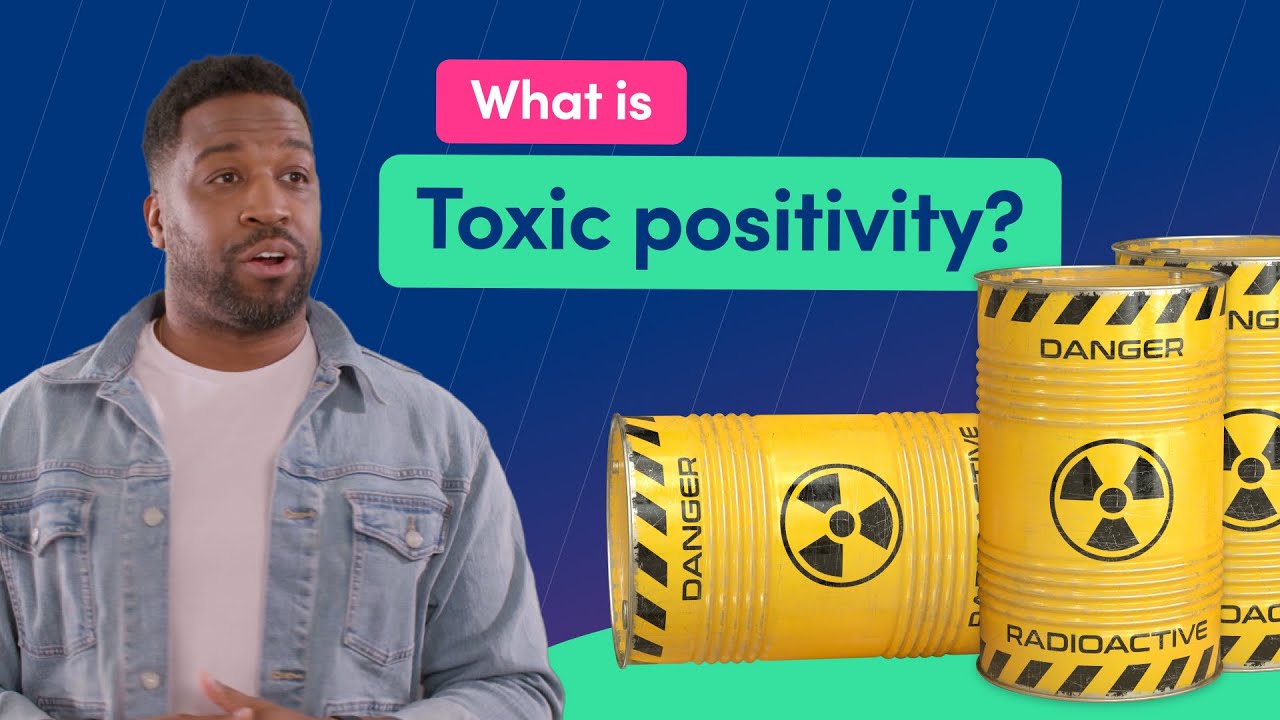
TOXIC POSITIVITY ESL LESSON DESCRIPTION
OBJECTIVE & OVERVIEW
This toxic positivity ESL lesson provides activities, PDF worksheets, and digital materials designed for advanced C1 students. In this lesson, students will:
Analyze a video and dialogue to understand the concept of toxic positivity
Identify and discuss adjectives and behaviors associated with toxic positivity
Reflect on personal experiences and consider appropriate responses to others’ challenges
Learn various phrases useful for communicating emotions
Practice empathetic communication skills through role-playing and discussions
PREVIEW & DISCUSSION
In the first part of this ESL lesson on toxic positivity, students analyze a short dialogue between two men — Ren and Takumi. In the dialogue, Takumi is feeling discouraged because he was just turned down by a client who he’s been working hard to acquire. Ren tries to respond in a helpful way. Students discuss Ren’s response, and whether they think it’s a helpful response or not. There are then discussion questions that prompt reflection on toxic positivity. In the second part, students select adjectives from a list that they think best describe toxic positivity, followed by a discussion on various aspects of the concept. Lastly, Part 3 encourages students to express their agreement or disagreement with statements related to toxic positivity.
VIEWING ACTIVITY
During the viewing activity, students watch a video featuring employees discussing toxic positivity in the workplace. The first activity involves short-answer questions based on the speakers’ descriptions of toxic positivity. Then, students determine whether certain actions are helpful or unhelpful during tough moments. Part 3 is a gap-fill activity in which students identify the verbs used in a quote from the video.
DISCUSSION, DIALOGUE, & PHRASES
The viewing follow-up allows students to reflect on the video. They discuss some questions about how to navigate tricky conversations in which others are having a tough time with something. The second part features a dialogue between colleagues Vivek and Asha. Students define phrases used in the dialogue. Lastly, the final part prompts students to analyze Vivek and Asha’s conversation, identifying instances of certain actions, such as venting, expressing gratitude, and seeking support.
VENTING & VALIDATING: EMPATHETIC ROLE PLAYS
For the activation, students engage in empathetic role plays or discussions. In Option A, they simulate conversations where one student shares a tough situation while the other provides support and validation. Option B offers talking points for students to share personal experiences related to toxic positivity, fostering empathy and understanding among peers. Through these activities, students practice applying lessons learned to real-life scenarios.
BENEFITS OF USING THIS TOXIC POSITIVITY ESL LESSON
Critical Thinking Skills: The lesson prompts students to analyze dialogues, videos, and statements. This encourages critical thinking and reflection.
Vocabulary Expansion: Through discussions and activities, students learn new vocabulary and phrases related to emotions, communication, and interpersonal interactions.
Empathetic Communication: Role-playing exercises and discussions help students practice empathetic communication skills, including active listening and validation of others’ feelings.
VIDEO DESCRIPTION
The video features employees discussing the concept of toxic positivity in the workplace, highlighting its unintended consequences and the importance of genuine communication during tough times.
LESSON ACTIVITIES
- SPEAKING: Toxic Positivity, Empathy, Workplace Communication
- VIEWING: Short Answers, Choosing Correct Answers, Verb Gap-Fill
- VOCABULARY: Adjectives, Phrases
- ADDITIONAL: Venting & Validating: Empathetic Role Plays, Quiz & Review, Lesson Reflection
LESSON TOPICS
Toxic Positivity, Workplace Communication, Empathy