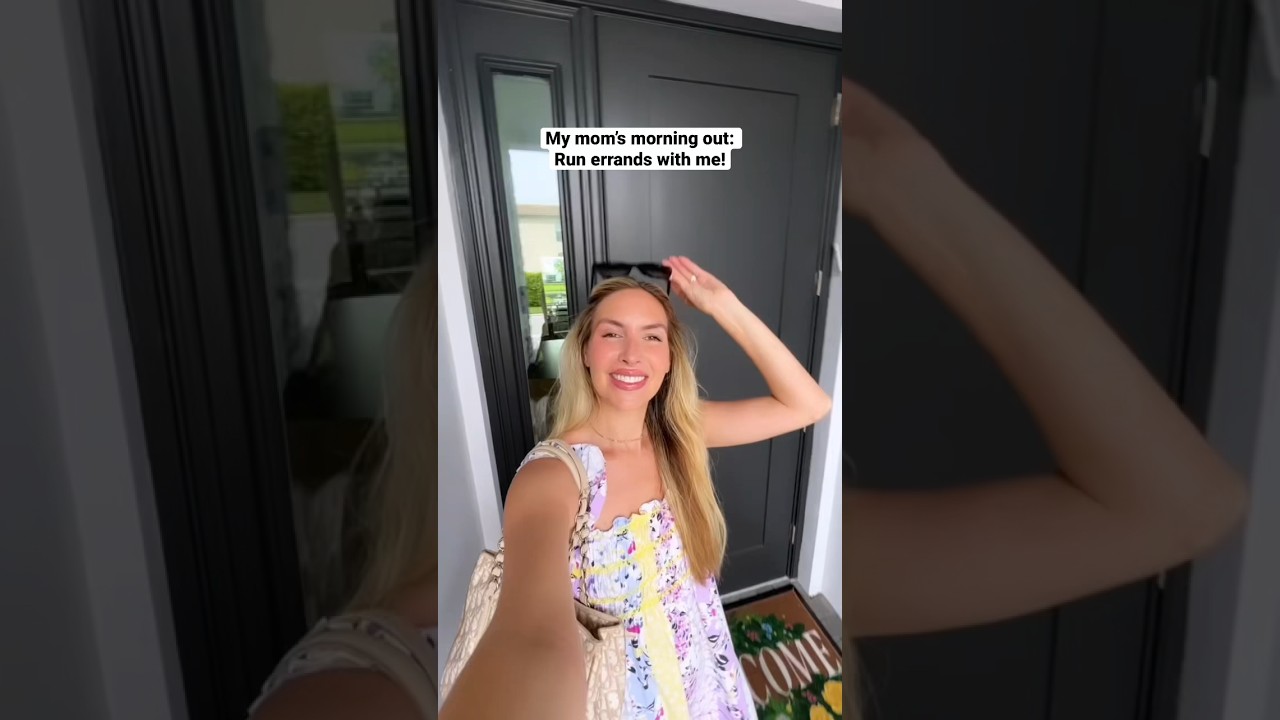
RUNNING ERRANDS ESL LESSON DESCRIPTION
OVERVIEW & OBJECTIVES
This ESL lesson plan on running errands offers engaging activities, PDF worksheets, and digital materials designed for pre-intermediate A2 students. In this lesson, students will:
Learn and talking about errands, daily tasks, and plans in small group discussions.
Build vocabulary related to shops, services, and activities around town.
Watch a real-life video about a woman running errands and complete comprehension activities.
Understand and use phrases of necessity such as have, have got, must, need, and gotta.
Create and share personal to-do lists using errands and necessary tasks in a practical context.
PREVIEW & DISCUSSION
Students begin this lesson by observing images of Milana running errands, such as buying flowers, shopping for groceries, picking up gifts, washing her car, filling up gas, and sending a package. They match words from a bank to the images and describe what she is doing.
Next, students answer discussion questions about errands, sharing their own experiences. They talk about which errands they like or dislike, how often they run errands, and whether having children changes the number of errands. This section builds vocabulary, introduces the topic naturally, and gets students thinking about errands in their own lives.
VIEWING ACTIVITY
Students watch a short video following a woman in Florida as she completes a series of errands, including buying flowers and groceries, shopping for a birthday gift, and visiting the bank.
Next, students put the errands in order using images from the video. This helps them follow the sequence of events and understand the video content.
Lastly, students answer multiple-choice questions about details such as what she bought at the grocery store, who the flowers were for, and why she skipped the car wash. These activities encourage attentive viewing and help students practice extracting key information from an authentic video.
VIEWING FOLLOW-UP
In this first part, students discuss the woman’s errands and compare them to their own experiences. They answer questions like whether it is easy or hard to run errands in their town and how accessible shops and services are.
Then, students focus on phrases of necessity. They read sentences including have, have got, must, need, and gotta, and answer questions about what each phrase expresses, which verbs use “to” afterward, and which do not. They also identify formal and informal usage.
In the final part, students complete a gap-fill exercise by writing errands using each phrase at least once. This allows them to apply grammar in realistic and personal contexts.
MAKE YOUR LIST: ERRANDS, TASKS, & THINGS TO DO!
Students create a personal to-do list of errands, chores, plans, or other necessary tasks for today, this week, or soon. They can include real or imaginary activities.
Students then work with a partner to share their lists, using have, have got, must, need, and gotta. They ask and answer questions about each other’s errands or tasks. Examples include which shop or service they go to, what items they need to buy, and why they must do certain tasks.
Finally, students imagine their partner has finished all the tasks on their list and describe what they did using the past simple. This gives students a realistic scenario to practice speaking, grammar, and vocabulary naturally.
BENEFITS OF USING THIS RUNNING ERRANDS ESL LESSON
This running errands ESL lesson helps students engage with authentic, everyday English situations. Teachers can use the lesson to practice speaking, listening, and vocabulary in a practical context. Students learn to use key phrases of necessity correctly in personal and daily situations. The lesson includes visual, oral, and written exercises to meet different learning styles. It provides clear, structured activities for both individual and paired work, keeping students motivated and focused.
VIDEO DESCRIPTION
Join a busy day in Florida as she runs errands around town! From picking up flowers and a balloon for a friend, grabbing groceries and champagne, to shopping for a fun gift for Izzy, and topping it all off with a bank visit—see what it’s like to get everything done in one hot, eventful day.
LESSON ACTIVITIES
- SPEAKING: Errands, Tasks, To-Do List, Chores, Plans, Necessity
- VIEWING: Ordering Activities (Images), Multiple Choice
- VOCABULARY: Shops, Services, Daily Activities, Household Tasks, Personal Errands
- GRAMMAR: Modal Verbs & Phrases of Necessity
- ADDITIONAL: To-Do List Sharing, Quiz & Review, Lesson Reflection
LESSON TOPICS
Errands, Chores, Plans, Necessity, Daily Life