GAMIFICATION ESL LESSON PLAN DESCRIPTION
OVERVIEW & OBJECTIVES
This gamification ESL lesson plan offers engaging activities, PDF worksheets, and digital resources designed for advanced B2-C1 students. In this lesson, students will:
Discuss the concept of gamification and how it is applied in different industries
Explore five apps that use gamification to enhance motivation and productivity
Analyze the effectiveness of rewards and challenges in gamified systems
Create their own ideas for gamified apps or marketing campaigns
Practice using advanced language structures and vocabulary related to gamification
PREVIEW & DISCUSSION
The first part of this gamification ESL lesson plan is focused on exploring the topic of gamification. Students are introduced to the concept of gamification and its application in various fields. They start by discussing what gamification is and how it is used in education, productivity, and fitness. Students then engage in a discussion about apps or companies that use gamification and explore their pros and cons. They consider whether they would be more likely to use a gamified app or buy from a company that incorporates gamification. Finally, students match verbs like “makes,” “incentivizes,” and “levels” to describe different gamified experiences, then discuss which industries these apps relate to and the positive or negative aspects of gamification. They also get to discuss how gamification is used in marketing and advertising.
VIEWING ACTIVITY
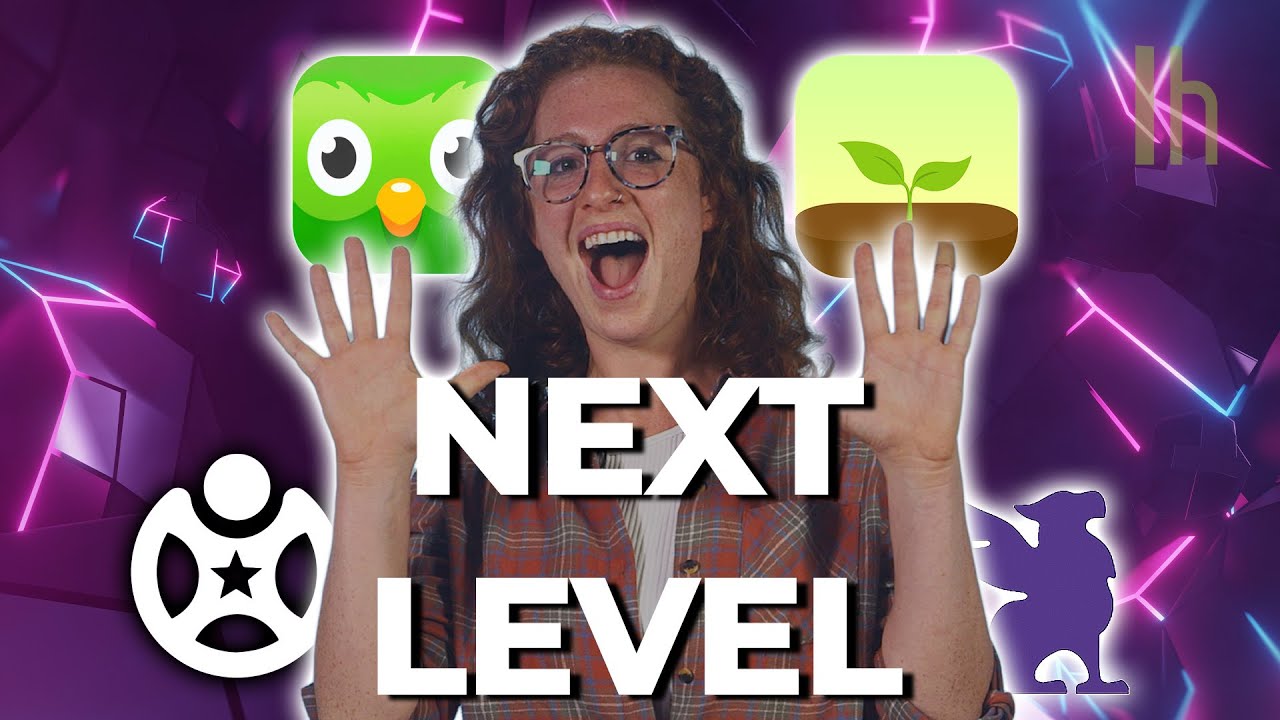
The video explores five apps—Comerica, Forest, Duolingo, Fitocracy, and Epic Win—that incorporate video game psychology to make everyday tasks more engaging and rewarding. Students first watch the video and answer true or false questions about each app. They then write short descriptions of how each app works, using the information from the video.
DISCUSSION & PHRASES
In this part of the lesson, students reflect on what they learned from the video. They discuss which app they would personally find most useful and whether the rewards offered by these apps are meaningful. They move on to explore how companies use gamification in marketing, including Coca-Cola’s interactive campaigns and the McDonald’s Monopoly game. To do this, students watch a short clip from another video and complete the missing information about gamification in these companies’ marketing campaigns. Lastly, students match bolded words or phrases to their functions in the context of gamification. These phrases include:
Rather than…
By…
As if…
When it comes to…
Whether…
TIME TO LEVEL UP! BRING GAMIFICATION TO LIFE
In the activation section, students are challenged to create their own gamified systems. Option A allows them to work with a classmate or the teacher to imagine a gamified app or marketing campaign. They choose an industry, name their app or campaign, and discuss how it would work, what tasks users would need to complete, and how they would motivate participants. They then present their ideas and promote their app or campaign through a social media post or presentation.
Option B encourages students to discuss a variety of topics, including alternative ways to maintain motivation without relying on gamified rewards. They explore the effectiveness of interactive marketing strategies, such as those used by Coca-Cola, and analyze potential concerns with gamified customer loyalty programs.
BENEFITS OF USING THIS GAMIFICATION ESL LESSON PLAN
This ESL lesson plan on gamification provides a fun and engaging way for teachers to introduce students to the concept of gamification. By exploring apps and marketing campaigns that use video game psychology, students not only learn about modern productivity tools but also practice critical thinking and language skills. The lesson allows students to develop their vocabulary related to motivation, rewards, and productivity while applying these concepts in creative, real-world contexts. Teachers can expect their students to be more engaged, as the lesson uses interactive and thought-provoking activities. The creation of their own gamified systems encourages students to think critically and creatively while using the language in an authentic way.
VIDEO DESCRIPTION
This fun video explores five apps that use video game psychology to boost productivity and motivation. From turning to-do lists into epic quests to leveling up your language skills, these apps make everyday tasks feel like a game.
LESSON ACTIVITIES
- SPEAKING: Gamification, Apps, Productivity, Motivation, Marketing
- VIEWING: True/False Statements, App Descriptions & Functionality
- VOCABULARY: Verbs, Other App-related Vocabulary
- GRAMMAR: Linking Words/Phrases (by… – as if… – when it comes to… – rather than… – whether…)
- ADDITIONAL: App/Marketing Campaign Gamification Concept, Additional Discussion, Quiz & Review, Lesson Reflection
LESSON TOPICS
Gamification, Apps, Productivity, Motivation, Marketing