PRICING STRATEGIES ESL LESSON DESCRIPTION
OVERVIEW & OBJECTIVES
This ESL lesson plan on pricing strategies offers engaging activities, PDF worksheets, and digital resources designed for advanced C1 students. In this lesson, students will:
Discuss and analyze the effects of dynamic and surge pricing across different industries
Learn and practice vocabulary related to business pricing strategies
Watch a video on how AI-driven pricing impacts consumers and businesses
Explore present participial phrases in sentence structure and how they’re used
Debate and evaluate various business tactics, considering ethics and consumer fairness
PREVIEW & DISCUSSION
Students begin this pricing strategies ESL lesson by looking at images that illustrate surge pricing, where a man’s ride fare increases significantly within a few minutes. They discuss questions to understand the concept of surge pricing, its causes, and their own experiences with it. Next, students match business vocabulary terms with definitions to build understanding of key concepts such as “implicit collusion” and “gross margins.” They also reflect on the potential pros and cons of dynamic pricing for both businesses and consumers, brainstorming ideas with prompts to guide their thoughts. Finally, students share insights on which industries they think use dynamic and surge pricing frequently.
VIEWING ACTIVITY
Students watch a video that explains how dynamic and surge pricing, powered by AI, adjust prices in real time across industries like airlines, retail, and entertainment. Companies like Amazon use data to change prices frequently, boosting revenues but also raising concerns about transparency and potential manipulation. Students answer questions based on the video, identifying where dynamic and surge pricing are prevalent and exploring barriers for physical retailers. They match sentence starters with appropriate endings to understand how dynamic pricing affects businesses and consumers. Finally, students fill in gaps to complete key ideas from the video, reinforcing their comprehension of the content.
DISCUSSION & GRAMMAR
Students engage in a deeper discussion by reflecting on questions about the fairness of dynamic and surge pricing. They debate the ethics of AI in setting prices and consider the importance of transparency for consumer trust. Students read key statements from the video and identify common sentence structures, focusing on present participial phrases. They discuss how these phrases function and what comes before them, reinforcing their understanding of advanced grammar in business contexts. Students also complete sentences to practice creating their own ideas related to the themes discussed.
SMART OR SNEAKY? DEBATING QUESTIONABLE BUSINESS TACTICS
In the final part of this pricing strategies ESL lesson, students participate in a debate on the ethics of various business tactics. They decide if each strategy or tactic is “smart” or “sneaky.” They discuss scenarios such as dynamic pricing differences across regions and hidden processing fees and consider the implications of these practices for consumers. Students are encouraged to use present participial phrases in their discussions to apply their grammar skills in a real-world context. Finally, students reflect on their personal experiences with similar scenarios, brainstorm other examples of business tactics, and evaluate how easy or challenging it was to use advanced grammar forms during the activity.
BENEFITS OF USING THIS PRICING STRATEGIES ESL LESSON
This ESL lesson plan about pricing strategies helps students develop advanced vocabulary and critical thinking skills while exploring a real-world topic. Teachers can engage students with interactive video-based learning and encourage them to analyze ethical considerations in modern business. Students also refine their grammar by practicing present participial phrases and improve fluency through structured discussions. The debate format makes the lesson dynamic, encouraging active participation. Finally, it provides practical, thought-provoking scenarios to help students connect language skills with real-world applications.
VIDEO DESCRIPTION
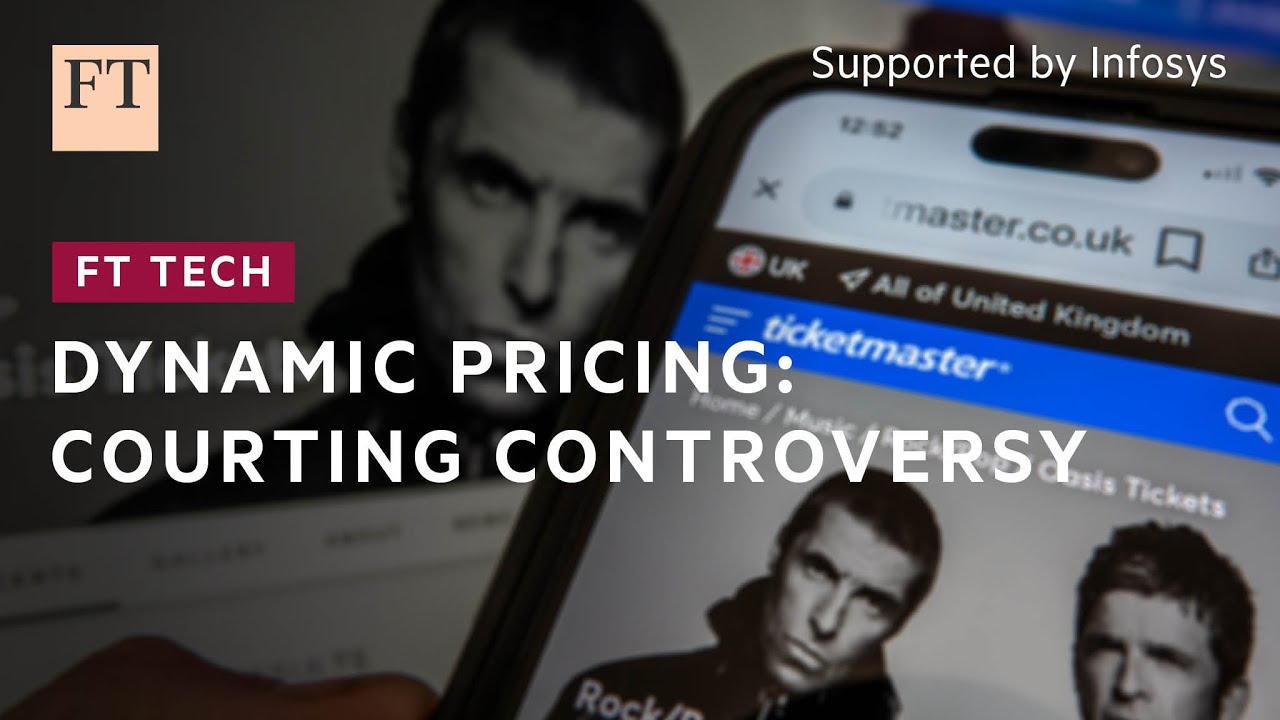
Come explore how dynamic and surge pricing, driven by AI, are used in industries like airlines, retail, and entertainment. Companies like Amazon adjust prices frequently, using data to boost revenue, but concerns about price gouging, collusion, and consumer manipulation have led to regulatory scrutiny, especially as digital price tags become more common in physical stores.
LESSON ACTIVITIES
- SPEAKING: Dynamic Pricing, Surge Pricing, Economics, AI Algorithms, Consumer Ethics
- VIEWING: Short Answers, Matching, Gap Fill
- VOCABULARY: Pricing & Business Vocabulary
- GRAMMAR: Present Participial Phrases
- ADDITIONAL: Smart & Sneaky Business Tactics Debate, Quiz & Review, Lesson Reflection
LESSON TOPICS
Dynamic Pricing, Surge Pricing, Finance, Economics, AI Algorithms, Consumer Ethics