WATER SCARCITY ESL LESSON PLAN DESCRIPTION
OBJECTIVE & OVERVIEW
This free ESL lesson on water scarcity provides activities, PDF worksheets, and digital materials designed for advanced C1 students. In this lesson, students will:
Explore the global issue of water scarcity and engage in discussions about it
Use some adjective and noun combinations to talk about water scarcity
Take a short quiz related to water scarcity and usage
Watch a video about an innovative solution to water scarcity
Study and use the 3/2 mixed conditional form to talk about global issues
Present a global issue and its causes, impacts and solutions using the 3/2 mixed conditional
PREVIEW & DISCUSSION
In the first part of this water scarcity ESL lesson plan, students analyze a set of images and discuss how each image may relate to water scarcity. These images include an arid, drought-stricken area, industrial waste, dirty drinking water, water treatment plants, wasting water at home and a demonstration. Then, students engage in a discussion about water scarcity.
The second part of this preview phase focuses on adjectives and nouns. Students are instructed to combine the provided adjectives with their nouns to make meaningful sentences about water scarcity. For example, students could combine “geopolitical” and “conflict” to talk about how geopolitical conflicts could occur as a consequence of water scarcity.
In the final activity on this page, students take a short quiz about water usage and scarcity. The quiz is made up of a few facts that students will hear the correct answers to when viewing the featured video, as described below.
VIEWING ACTIVITY
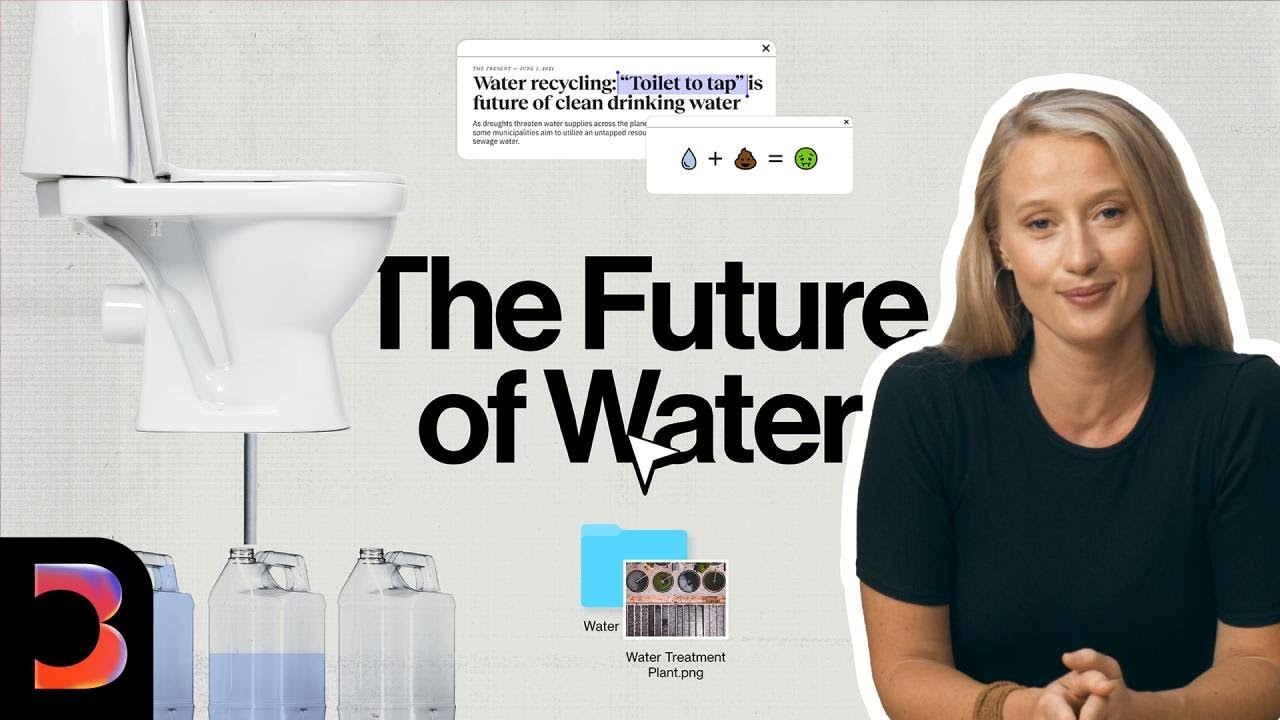
Students watch a video about an innovative solution to water scarcity. In the video, a reporter named Alice delves into recycled wastewater and how it could potentially solve the problem of water scarcity.
In the activities, students complete the same quiz they did in the preview phase of the lesson. Then, they compare their answers with the correct answers from the video. In the second viewing activity, students answer some questions about the wastewater treatment that Alice discusses. There are questions about the process that water must go through for this solution, as well as places around the world that are already implementing wastewater treatment solutions.
DISCUSSION & GRAMMAR
After watching the video, students discuss some questions about the solution they learned about in the video. Then, the grammar focus of this lesson plan is on the 3/2 mixed conditional. Students read a set of sentences from an environmental activist named Lee, who says:
- If we had established
better educational and public awareness programs about water scarcity years ago, a lot less people
would takewater for granted today.
- If nations had sought out and imposed
better wastewater treatment solutions earlier, our planet
might not be facingsuch a severe water crisis right now.
After they read these sentences, they answer a set of questions about the 3/2 mixed conditional, including its usage and structure. There is an activity for students to practice using this 3/2 mixed conditional afterward.
CLIMATE ACTION WORKSHOP: EXPLORING GLOBAL ISSUES
In this tasked-based climate workshop, students engage in a structured exploration of critical climate concerns. In the first step, they select a global climate issue, conduct research, and write down notes about some causes, impacts, and solutions to this issue.
They move on to a presentation activity. In it, Student A, acts as a community activist, presenting their chosen issue and the information they found out about it. They are instructed to incorporate the 3/2 mixed conditional in their presentation. Student B, acting as a community member, listens attentively and asks questions, also using the 3/2 mixed conditional. Finally, students reflect on the process and discuss the most challenging aspects and interesting ideas from their partner’s presentation.
FOLLOW-UP DISCUSSION ABOUT GLOBAL ISSUES
In the second option, there is a set of discussion questions to choose from. The questions are focused on global climate issues, and they’re all formed in the 3/2 mixed conditional. Students are encouraged to use this grammatical structure in their responses to the questions. There are some additional talking points students could discuss in the 3/2 mixed conditional as well, all focused on similar topics.
BENEFITS OF USING THIS WATER SCARCITY ESL LESSON:
Advanced Content: Designed for advanced C1 students, this lesson plan provides challenging materials and activities to further develop their language skills.
Global Awareness: Students explore the pressing issue of water scarcity. This helps them gain a deeper understanding of global challenges and encourages discussions on sustainability.
Vocabulary Development: Through activities such as adjective-noun combinations and discussions, students expand their vocabulary while discussing complex topics.
Innovative Solutions: By watching a video about innovative solutions to water scarcity, students gain insights into real-world applications of environmental technology and sustainability practices.
VIDEO DESCRIPTION
Drinking water that was once in your toilet will likely gross a lot of people out. Although recycling wastewater is already a common practice around the world, it still might take some really clever campaigning for the practice to really catch on.
LESSON ACTIVITIES
- SPEAKING: Water Scarcity, Innovative Solutions, Global Issues
- VIEWING: Numbers & Facts, Short Answers
- VOCABULARY: Images, Adjective + Noun Collocations
- GRAMMAR: Mixed Conditional (3/2)
- ADDITIONAL: Climate Action Workshop, Quiz & Review, Lesson Reflection
LESSON TOPICS
Water Scarcity, Innovative Solutions, Global Issues