CULTURAL FOODS ESL LESSON PLAN DESCRIPTION
OBJECTIVE & OVERVIEW
This free cultural foods ESL lesson plan provides activities, PDF worksheets, and digital materials designed for intermediate B1-B2 students. In this lesson, students will:
Explore & discuss a variety of street foods from different cultures
Learn some useful adjectives to describe different foods
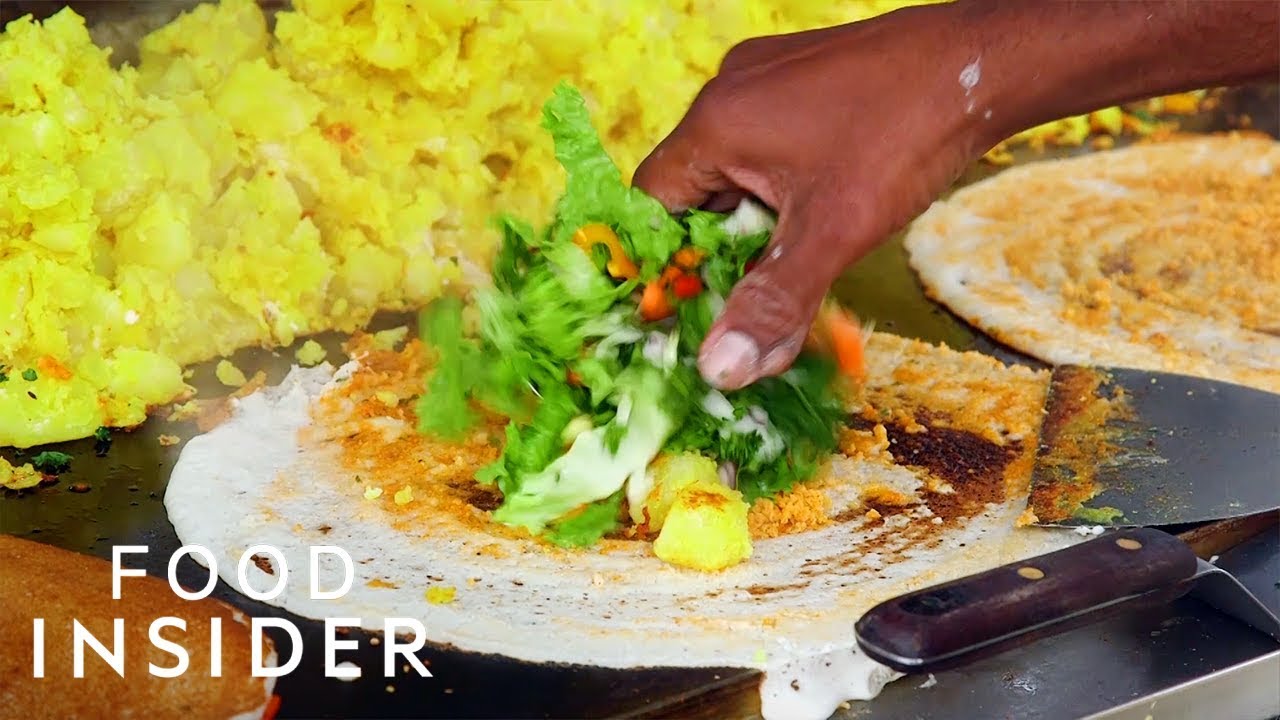
Watch a video about “the Dosa Man” in New York City
Learn how to use the passive voice when talking about foods
Describe a special local food / dish for visitors to try in their area or country
Have additional chats about different topics related to food and culture
PREVIEW & DISCUSSION
In the first part of this ESL lesson on cultural foods, students explore various street foods from different places around the world. They’re given a set of images showing street foods such as hot dogs, doner kebabs, pad thai noodles, empanadas, and dosas. Students describe the foods and where they think they’re from. After that, there are some questions for students to discuss about street foods.
Moving on, students use a set of adjectives to describe the foods in those same images. Following that exercise, there is an exercise focusing on how a dosa (from South India) is made and what it’s served with. There are images to supplement this exercise, showing certain ingredients and sides served with dosas. To conclude the preview section, students imagine that a man named Thiru is describing his food cart business. His business focuses on cooking and serving dosas in New York City. There is a set of phrases provided that students use to predict what Thiru could be saying about his business.
VIEWING ACTIVITY
In the viewing activity, students watch a short documentary and interview style video that features a man named Thiru. Thiru is known as “the Dosa Man” and he serves authentic South Indian dosas from his food cart in New York City. In the video, Thiru discusses what his purpose is and some details about his business. There are also a handful of customers who review the dosas after trying them. In the activities, students answer some questions and match some terms related to dosas to sentences. In the final activity, students must choose the correct word they hear the customers use when reviewing Thiru’s dosas.
DISCUSSION & GRAMMAR
In the viewing follow-up part of this cultural foods lesson plan, students discuss some questions about the video and Thiru’s business. In the discussion, students reflect on whether or not they would like to try the dosas that he serves. Then, the grammar focus of this lesson plan is on the passive voice. Students read a description of “kofta”, which is a food that is commonly eaten in Lebanon. Then, they answer a set of questions about the usage of the passive voice in the passage about kofta.
At the end of the viewing follow-up activity, students describe some images of different dishes using the passive voice. There are provided with a set of verbs to use in the passive voice.
MUST-HAVE CULTURAL FOODS!
In this communicative, task-based activation on cultural foods, there are two options. In the first option, students explore and share cultural culinary foods/dishes from their own regions. The activity starts with students writing about two must-have foods or dishes from their country, city, or local area. They describe these dishes using some adjectives and list the main ingredients, finding images if possible. Next, students pair up for a role-play exercise. Student A, acting as a visitor, asks Student B about the must-try foods in their area. Student B describes the foods, explaining how they are made using the passive voice, and suggests places to try them. Afterward, they switch roles to repeat the process.
In the second option, students choose discussion topics related to cultural foods to chat about with a classmate or teacher. Topics include describing a must-have local food and how it’s made, sharing memorable experiences with cultural foods, brainstorming ideas for a food cart or restaurant, and discussing travel destinations for food lovers. This activity encourages engaging conversations and enhances vocabulary related to food and culture.
BENEFITS OF USING THIS CULTURAL FOODS ESL LESSON PLAN:
Cultural Awareness: Students expand their understanding of global cuisines by learning about street foods from different cultures.
Vocabulary Building: The lesson enhances students’ descriptive language skills through the introduction of useful adjectives and food-related terms.
Grammar Practice: Focusing on the passive voice in a relevant context can help students develop their communication skills.
Engaging Content: Watching a video about “the Dosa Man” provides an authentic listening experience, making the lesson more interesting.
Interactive Discussions: The discussion activities encourage students to practice speaking and listening in meaningful conversations about food.
VIDEO DESCRIPTION
Meet the “Dosa Man” — a man who serves authentic South Indian dosas in the heart of New York City.
LESSON ACTIVITIES
- SPEAKING: Street Foods, Cultural Foods, Cuisine, South Indian Dosas
- VIEWING: Short Answers, Sentence Matching, Word Choice
- VOCABULARY: Images, Adjectives describing foods, Dosa Ingredients
- GRAMMAR: Passive Voice
- ADDITIONAL: Must-Have Cultural Foods, Quiz & Review, Lesson Reflection
LESSON TOPICS
Street Foods, Cultural Foods, Cuisine, South Indian Dosas